




Seasonal Allergy
Latest News
Advertisement
Latest Videos







Podcasts
CME Content




























































Advertisement
More News
The generic nasal spray is bioequivalent to Haleon's Flonase, indicated for nasal symptoms of allergic rhinitis.
FDA expands RYALTRIS® approval to children aged 6 to 11 with seasonal allergic rhinitis, based on phase 3 trial data.
In this Q&A, investigators Maria Byazrova and Rudolf Valenta discuss findings on plasmablast's role in seasonal IgE surge when it comes to birch allergy.

Nurse practitioners play a key role in allergy and asthma care using specific IgE blood testing to identify triggers, improve outcomes, and ease shortages.
Significant advancements in allergy treatments emerge in 2025, including 4 FDA approved treatments for hereditary angioedema.

A review in Wichita, Kansas, shows asthma-related emergency visits spike during storms, underscoring the importance of weather-based asthma action plans for at-risk patients.
Explore the latest advancements in allergy and immunology, including new therapies, FDA approvals, and innovative clinical strategies for improved patient care from Q3.

A study found 3% hypertonic saline nasal irrigation reduced symptoms in allergic rhinitis but offered no significant advantage over isotonic saline.

A meta-analysis confirmed CARATkids as a reliable tool for assessing asthma and allergic rhinitis control in children aged 6–12 years.

A randomized trial found pharmacist-led counseling improved allergic rhinitis symptom control but did not enhance adherence, knowledge, or quality of life.
This February 2025 month in review covers key updates in allergy, including advancements in immunotherapy and new insights on food allergy desensitization.

A study suggests the prevalence of Legionella may explain why children with seasonal allergic rhinitis vs perennial allergic rhinitis have more severe symptoms.
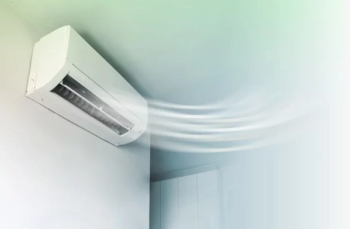
A new study showed that experiencing worsened allergic rhinitis symptoms in air-conditioned environments may predict disease severity.

A study presented at the AAAAI 2023 Annual Meeting shows over 80% of the 20 patients with chronic allergy symptoms report significant improvement in their allergy symptoms after 2 weeks of intranasal cleansing with NasoClenz.
Advertisement
Advertisement
Trending on HCPLive
1
FDA Approves Obinutuzumab (Gazyva) for Idiopathic Nephrotic Syndrome
2
The Case for Routine Kidney Screening, With Pranav Garimella, MBBS, MPH
3
Hereditary Angioedema Triggers, Prodromes Mapped in US HAEA Registry
4
What The FDA Psychedelic Hearing Means for Psychiatrists
5